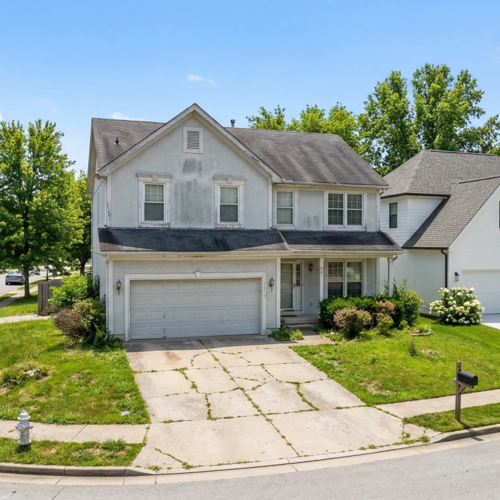
Learn how Functional Obsolescence impacts your home sale and buying decisions. Discover key examples, risks, and smart strategies to protect your investment.
Introduction to Functional Obsolescence in Real Estate
When buying or selling a home, most people focus on condition and location—but layout and design matter just as much. This is where Functional Obsolescence comes into play.
Functional Obsolescence refers to outdated or poorly designed features that reduce a home’s usefulness, even if the property is in good physical condition. Think of awkward floor plans, lack of storage, or outdated room layouts.
For buyers and sellers on platforms like https://jpnrealty.homes/, understanding Functional Obsolescence can help you avoid costly mistakes and make smarter real estate decisions.
What Is Functional Obsolescence?
Definition and Core Concept
Functional Obsolescence is the loss of value due to outdated design, layout, or features that no longer meet modern standards or buyer expectations.
Types of Functional Obsolescence
Curable Functional Obsolescence: Can be fixed easily (e.g., replacing outdated fixtures, opening a wall)
Incurable Functional Obsolescence: Difficult or expensive to fix (e.g., low ceiling height, poor layout)
Common Examples
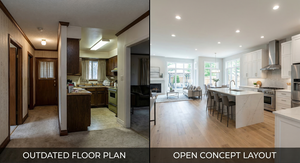
Closed-off floor plans
Small or outdated kitchens
Lack of bathrooms
No garage or parking space
How Functional Obsolescence Affects Home Sellers
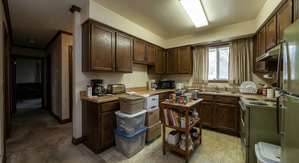
Reduced Market Appeal
Homes with outdated layouts may struggle to attract buyers, even if they are well-maintained.
Lower Property Value
Buyers often discount offers to account for future renovation costs.
Longer Time on Market
Functional issues can cause hesitation, leading to longer listing periods.
Should You Renovate Before Selling?
Ask yourself:
Will the upgrade increase value more than it costs?
Is the issue a deal-breaker for most buyers?
Smart Seller Strategies
Open up living spaces if possible
Upgrade kitchens and bathrooms
Improve lighting and flow
Highlight strengths in listing descriptions
How Functional Obsolescence Impacts Home Buyers

Lifestyle Compatibility Issues
A home may look great but not function well for modern living.
Renovation Costs
Buyers need to factor in the cost of redesigning layouts or upgrading features.
Negotiation Advantage
Functional flaws can give buyers leverage to negotiate a lower price.
What Buyers Should Evaluate
Flow between rooms
Kitchen size and usability
Storage availability
Number and placement of bathrooms
Key Signs of Functional Obsolescence
Layout Problems
Maze-like floor plans
Isolated kitchens
Poor room flow
Outdated Features
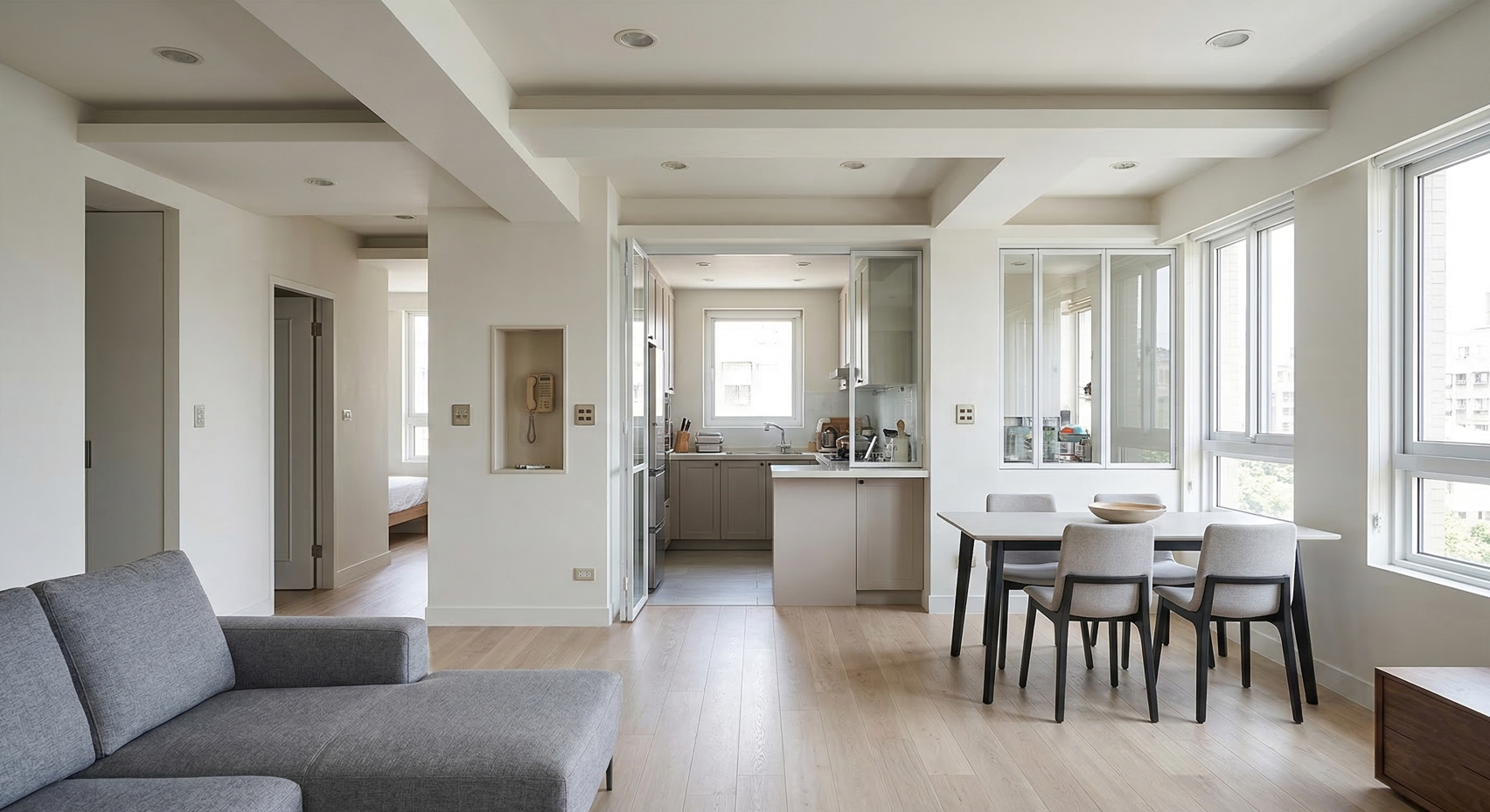
Lack of open concept design
Small windows or poor lighting
Insufficient electrical outlets
Missing Modern Essentials
No home office space
Limited storage
No garage or parking
Functional vs Physical Obsolescence
Key Differences
| Feature | Functional Obsolescence | Physical Obsolescence |
|---|---|---|
| Cause | Poor design/layout | Wear and tear |
| Fixability | Sometimes complex | Often repairable |
| Example | Closed floor plan | Damaged roof |
Why Understanding Both Matters
A home can be physically sound but still lose value due to poor functionality.
How to Minimize Functional Obsolescence
For Homeowners
Modernize layouts where possible
Improve lighting and openness
Add storage solutions
For Sellers
Stage to highlight space and flow
Make small layout improvements
Emphasize potential in listings
For Buyers
Look beyond current design
Consider renovation potential
Focus on long-term usability
The Role of Renovation and Design Trends
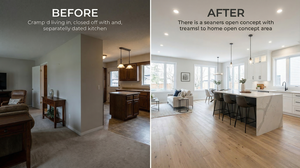
Popular Modern Features
Open-concept living
Large kitchens with islands
Flexible spaces (home office, gym)
ROI of Fixing Functional Issues
Some upgrades—like opening walls or remodeling kitchens—can significantly boost property value.
FAQs About Functional Obsolescence
1. What is Functional Obsolescence?
It is the loss of value due to outdated design or layout.
2. Can it be fixed?
Some issues are easy to fix, while others require major renovation.
3. Does it affect home value?
Yes, buyers often reduce offers due to poor functionality.
4. Is it worse than physical damage?
Not always, but it can be harder to fix depending on the issue.
5. Should I avoid homes with it?
Not necessarily—it can be an opportunity if priced correctly.
6. What is the most common example?
Closed floor plans in older homes.
Conclusion: Why Functional Obsolescence Matters
Functional Obsolescence plays a major role in how buyers perceive a home and how sellers price it. Even a structurally sound property can lose value if it doesn’t meet modern living expectations.
For sellers, addressing functional issues can speed up sales and increase value. For buyers, recognizing these issues can help you negotiate better deals and plan smarter renovations.
Understanding Functional Obsolescence ensures you make confident, informed decisions in today’s real estate market.
Check out this article next