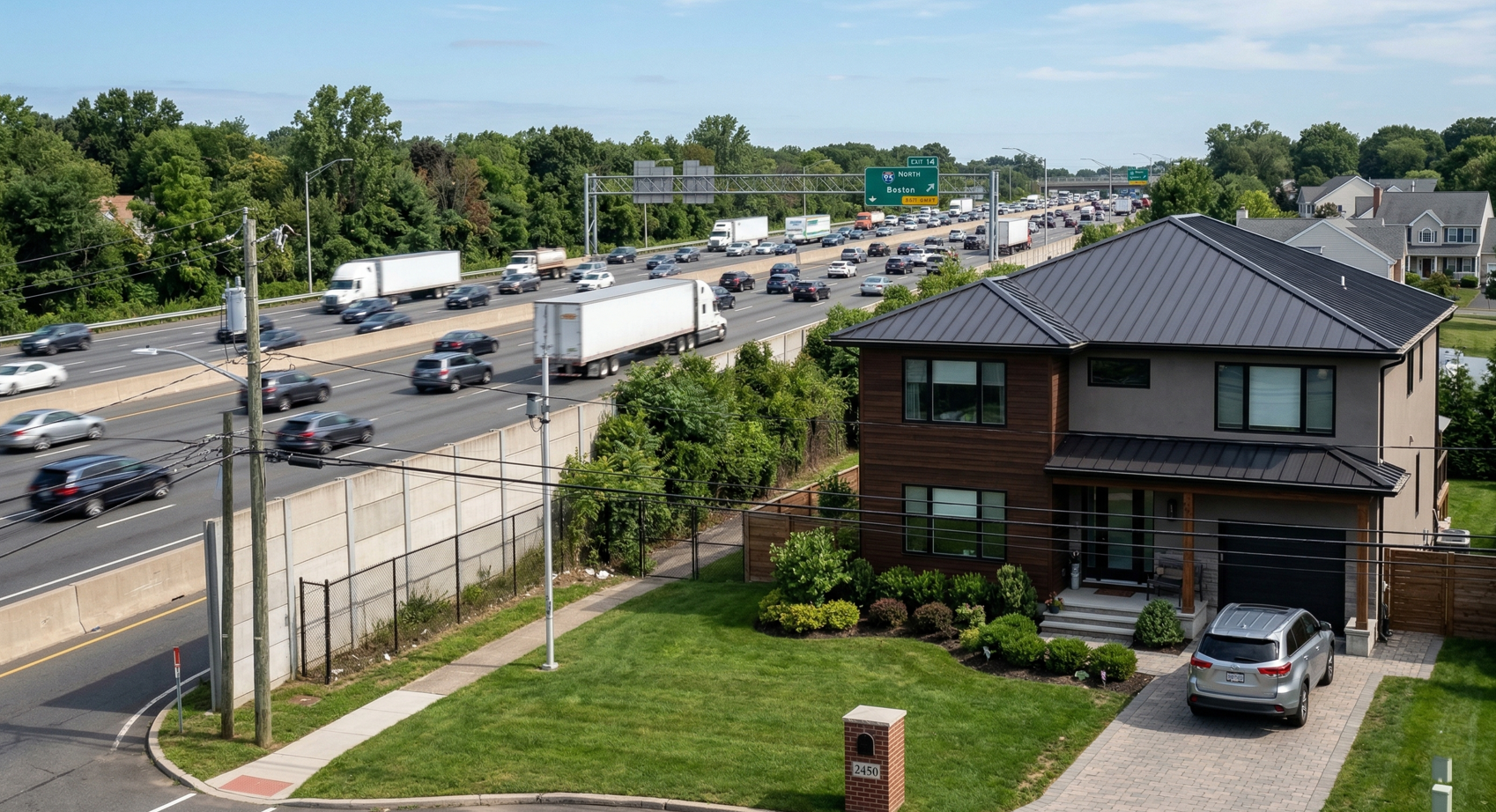
Discover how Economic Obsolescence impacts your home sale and buying decisions. Learn key risks, examples, and strategies to protect your property value.
Introduction to Economic Obsolescence in Real Estate
When buying or selling a home, most people focus on the property itself—its condition, design, and upgrades. However, there’s an external factor that can significantly affect value, and it’s often out of your control: Economic Obsolescence.
Economic Obsolescence refers to a loss in property value caused by external factors outside the home. These can include nearby developments, environmental changes, economic downturns, or shifts in the neighborhood.
For buyers and sellers browsing properties on sites like https://jpnrealty.homes/, understanding Economic Obsolescence is crucial. It helps sellers price their homes accurately and helps buyers avoid investing in areas with declining value.
What Is Economic Obsolescence?
Definition and Core Concept
Economic Obsolescence is the decrease in property value due to external conditions that negatively impact desirability. Unlike physical or functional issues, these factors are typically beyond the homeowner’s control.
Common Examples
Proximity to noisy highways or airports
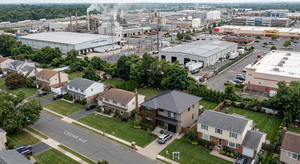
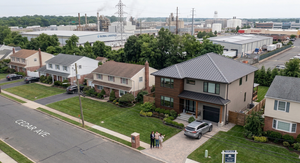
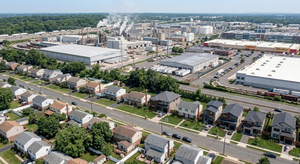
Nearby industrial developments
Declining neighborhood conditions
Economic downturns affecting local jobs
Key Characteristics
External to the property
Often incurable
Impacts multiple homes in an area
How Economic Obsolescence Affects Home Sellers
Reduced Property Value
Homes affected by negative external factors often sell for less, even if they are in excellent condition.
Buyer Hesitation
Buyers may be discouraged by location-related issues such as noise, traffic, or nearby developments.
Longer Selling Time
Properties in affected areas may stay on the market longer due to reduced demand.
Strategies for Sellers
Price competitively
Highlight positive features of the home
Emphasize future area improvements
Improve curb appeal to offset external drawbacks
How Economic Obsolescence Impacts Home Buyers
Investment Risk
Buying in an area with Economic Obsolescence can lead to slower appreciation or even declining property value.
Opportunity for Lower Prices
Some buyers may find deals in affected areas, especially if they plan long-term ownership.
Financing Considerations
Lenders may factor in location risks when approving loans or determining property value.
What Buyers Should Evaluate
Neighborhood trends
Future development plans
Noise and traffic levels
Local economic stability
Key Causes of Economic Obsolescence
Environmental Factors
Noise pollution
Air quality issues
Flood-prone areas
Economic Changes
Job market decline
Business closures
Reduced local investment
Infrastructure Developments
New highways
Industrial zones
Commercial overdevelopment
Economic vs Physical vs Functional Obsolescence
Key Differences
| Type | Cause | Example |
|---|---|---|
| Economic | External factors | Nearby factory |
| Physical | Wear and tear | Roof damage |
| Functional | Poor design | Bad layout |
Why This Comparison Matters
Understanding all three helps buyers and sellers evaluate a property more accurately.
How to Minimize the Impact of Economic Obsolescence
For Sellers
Focus on marketing strengths
Price realistically
Target the right buyers
For Buyers
Research the neighborhood thoroughly
Consider long-term trends
Look for areas with growth potential
The Role of Market Research and Location Analysis
Importance of Location Data
Understanding neighborhood trends can help predict future value.
Tools and Resources
Local government plans
Real estate market reports
Community development updates
FAQs About Economic Obsolescence
1. What is Economic Obsolescence?
It is a loss of value caused by external factors outside the property.
2. Can it be fixed?
Usually not, as it involves external conditions.
3. Does it affect all homes in an area?
Yes, it often impacts multiple properties.
4. Should I avoid buying in such areas?
Not always—it depends on your goals and budget.
5. How can sellers deal with it?
By pricing competitively and highlighting positives.
6. Is it the same as market decline?
It can be part of broader market changes.
Conclusion: Why Economic Obsolescence Matters
Economic Obsolescence is one of the most important—and often overlooked—factors in real estate. Unlike physical or functional issues, it stems from external conditions that homeowners cannot control.
For sellers, it affects pricing and marketability. For buyers, it impacts long-term investment potential. By understanding Economic Obsolescence, you can make smarter, more informed decisions whether you’re buying or selling a home.
Check out this article next