Discover how Physical Obsolescence affects your home sale and buying decisions. Learn key insights, risks, and strategies to maximize property value.
Introduction to Physical Obsolescence in Real Estate
When buying or selling a home, most people focus on price, location, and market trends. However, one critical factor often overlooked is Physical Obsolescence. This term refers to the natural wear and tear that occurs in a property over time, and it can significantly impact a home’s value and desirability.
Whether you're listing your property on a site like https://jpnrealty.homes/ or searching for your dream home, understanding Physical Obsolescence gives you a competitive edge. It helps sellers price accurately and helps buyers avoid costly surprises.
In simple terms, Physical Obsolescence is unavoidable—but manageable. The key is knowing how it affects your real estate decisions and how to respond strategically.
What Is Physical Obsolescence?
Definition and Core Concept
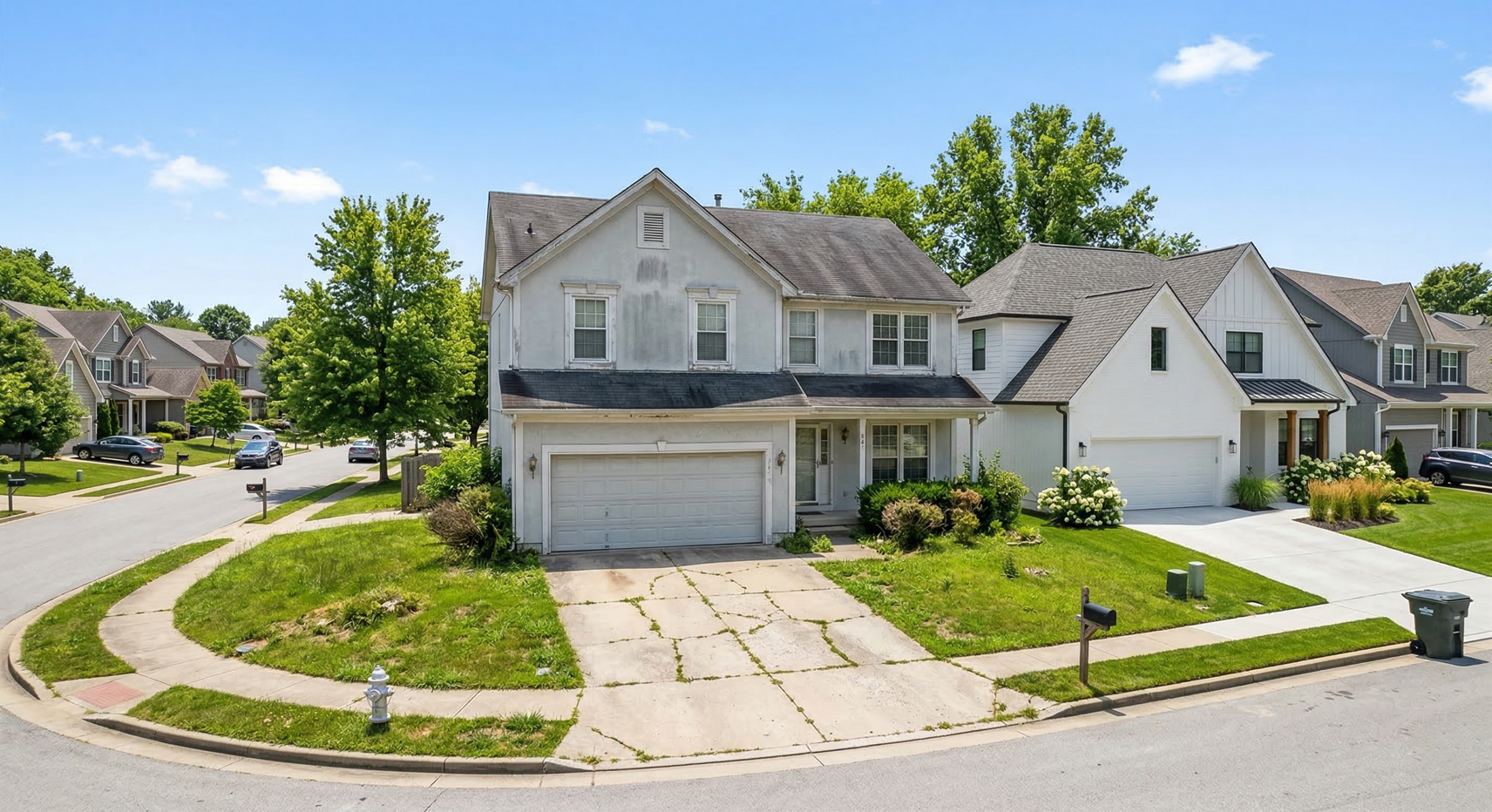
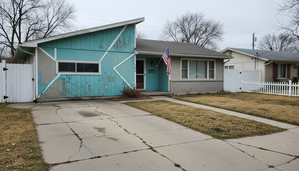
Physical Obsolescence is the decrease in a property’s value due to aging, damage, or deterioration. This includes both visible issues—like cracked walls—and hidden problems such as outdated wiring.
Types of Physical Obsolescence
Curable Obsolescence: Issues that are affordable and practical to fix (e.g., repainting, replacing fixtures)
Incurable Obsolescence: Problems where repair costs outweigh the value (e.g., major structural damage)
Common Causes
Aging building materials
Lack of regular maintenance
Weather and environmental exposure
Long-term usage wear
Understanding these categories helps both buyers and sellers evaluate a property's true condition.
How Physical Obsolescence Affects Home Sellers

Impact on Property Value
Homes with noticeable wear and tear often sell for less because buyers factor in repair costs. Even minor issues can reduce perceived value.
Buyer Perception Matters
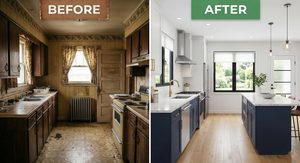
First impressions can make or break a sale. Peeling paint, outdated kitchens, or worn flooring can discourage buyers immediately.
Longer Time on Market
Homes with visible Physical Obsolescence may take longer to sell, especially if priced too high for their condition.
Repair vs. Selling As-Is
Sellers must decide whether to invest in repairs or sell the property as-is. Each option has pros and cons:
Repairs can increase value but require upfront costs
Selling as-is is faster but may reduce profit
Smart Selling Tips
Get a pre-listing inspection
Focus on high-return repairs
Improve curb appeal
Be honest about the home’s condition
How Physical Obsolescence Impacts Home Buyers
Hidden Costs and Risks
Buyers may encounter unexpected expenses if issues are not detected early. What seems like a good deal can quickly become costly.
Negotiation Opportunities
Physical Obsolescence can give buyers leverage. You can request:
Price reductions
Seller repairs
Closing cost credits
Financing Challenges
Some lenders may not approve loans for homes with major physical deterioration, especially if safety is a concern.
What Buyers Should Look For
Roof age and condition
Electrical and plumbing systems
Structural integrity
Signs of mold or water damage
Importance of Professional Inspections
A professional inspection is essential. It reveals issues that are not visible during a typical showing and protects your investment.
Key Areas Where Physical Obsolescence Appears
Structural Components
Foundation cracks
Roof wear and leaks
Wall damage
Mechanical Systems
Outdated HVAC units
Old electrical wiring
Plumbing deterioration
Interior Features
Worn flooring
Faded paint
Outdated appliances
Exterior Elements
Weathered siding
Broken gutters
Neglected landscaping
Physical Obsolescence vs. Functional Obsolescence
Key Differences
| Feature | Physical Obsolescence | Functional Obsolescence |
|---|---|---|
| Cause | Wear and tear | Outdated design |
| Fixability | Sometimes curable | Often complex |
| Example | Leaky roof | Poor layout |
Why This Matters
Knowing the difference helps you decide whether to repair or renovate—and how much it will cost.
How to Minimize Physical Obsolescence
For Homeowners
Schedule regular maintenance
Replace aging systems early
Keep your home updated
For Sellers
Invest in small upgrades
Stage your home effectively
Highlight improvements in listings
For Buyers
Budget for repairs
Choose structurally sound homes
Consider long-term value
The Role of Inspections and Appraisals
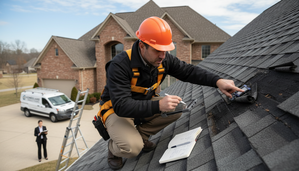
Home Inspections
Inspections identify hidden issues and help both parties make informed decisions.
Property Appraisals
Appraisers consider Physical Obsolescence when determining value, which affects loan approval and pricing.
Market Trends and Property Condition
Older Homes vs. New Builds
Older homes often show more Physical Obsolescence, while newer homes typically require less immediate maintenance.
Location Still Drives Value
Even with some wear and tear, homes in prime locations can still command strong prices.
FAQs About Physical Obsolescence
1. What is Physical Obsolescence?
It is the loss of value due to wear and tear over time.
2. Can it be fixed?
Yes, depending on whether the issue is curable or incurable.
3. Does it affect home value?
Yes, it directly impacts pricing and appraisal results.
4. Should I avoid homes with it?
Not always—some properties offer great value if repair costs are manageable.
5. How can sellers reduce it?
By making repairs and presenting the home well.
6. Is it the same as depreciation?
It is one type of depreciation related to physical condition.
Conclusion: Why Physical Obsolescence Matters
Physical Obsolescence plays a major role in real estate decisions. For sellers, it affects pricing, marketing, and buyer interest. For buyers, it influences cost, risk, and negotiation power.
By understanding and addressing Physical Obsolescence, you can make smarter, more confident real estate decisions—whether you're buying your next home or preparing to sell.
Check out this article next